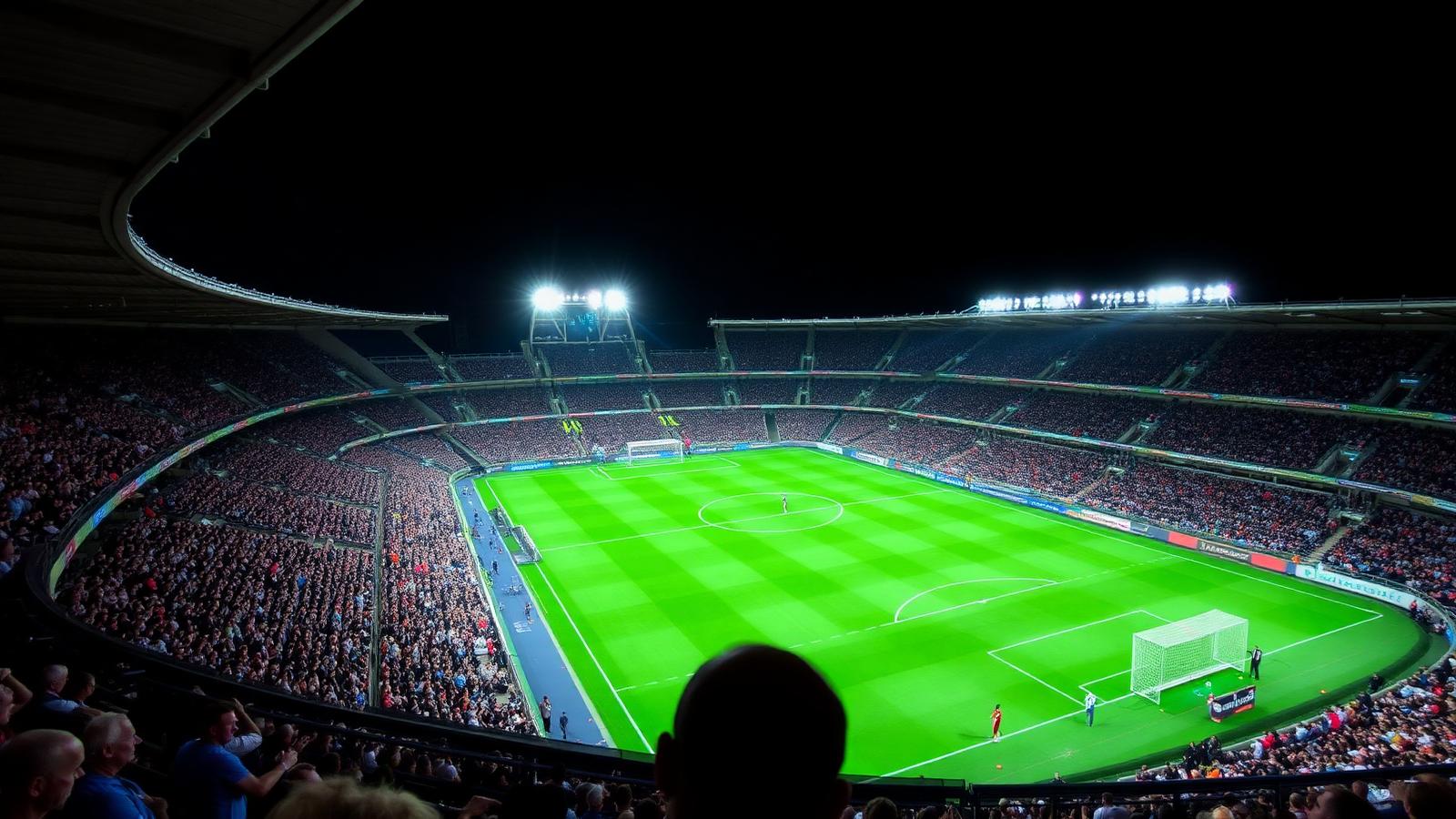
Sport is still decided on the pitch. Increasingly, though, the important decisions are taken well before kick-off - in broadcast negotiations, investment committees and calendar working groups.
Over roughly fifteen years, elite sport has been reconstructed as an asset class. That change explains a great deal about ticket prices, kick-off times, subscription bills and the growing exhaustion of the athletes themselves.
Why This Matters Right Now
Three trends have converged.
Media rights fragmented. Streaming platforms entered the bidding, and coverage that once sat behind one subscription is now split across several. In some markets, total consumer cost has risen even where headline rights fees plateaued.
Institutional capital arrived. Private equity, sovereign wealth funds and multi-club ownership groups now hold stakes across leagues, competitions and entire sports.
Calendars expanded. More teams, more fixtures, more competitions - each addition monetisable, and each adding load to a finite number of players.

Image placement: after the introduction. ALT text: "Financial market screens with charts representing sports investment flows".
Background: How Sport Makes Money
Four revenue lines dominate at the elite level.
- Broadcast rights - typically the largest share in major leagues, sold in cycles of three to five years.
- Commercial and sponsorship - shirt deals, naming rights, regional partnerships.
- Matchday - tickets, hospitality, food and beverage. The smallest of the four in most large clubs, but the most visible to fans.
- Player trading - transfer fees, which for many mid-sized clubs are the primary route to profitability.
The critical structural point is that broadcast income is distributed collectively in some leagues and individually in others. That single design choice largely determines whether a league remains competitive or drifts toward permanent hierarchy.
The Latest Developments
Multi-club ownership has become standard
Ownership groups now routinely hold several clubs across different countries, sharing scouting networks, data and player pathways. Governing bodies are still working out how to handle conflicts when related clubs meet in the same competition.
Sovereign investment has moved from sponsorship to ownership
State-linked funds have progressed from shirt sponsorship to acquiring clubs, staging major events and, in some sports, launching rival competitions outright.
Streaming has fragmented the fan experience
Following a single competition can now require multiple subscriptions. Piracy has risen in step, and rights holders are increasingly experimenting with direct-to-consumer platforms.
Player workload is a live industrial dispute
Player unions have escalated formal complaints about fixture congestion, and calendar disputes have moved into legal and regulatory forums.
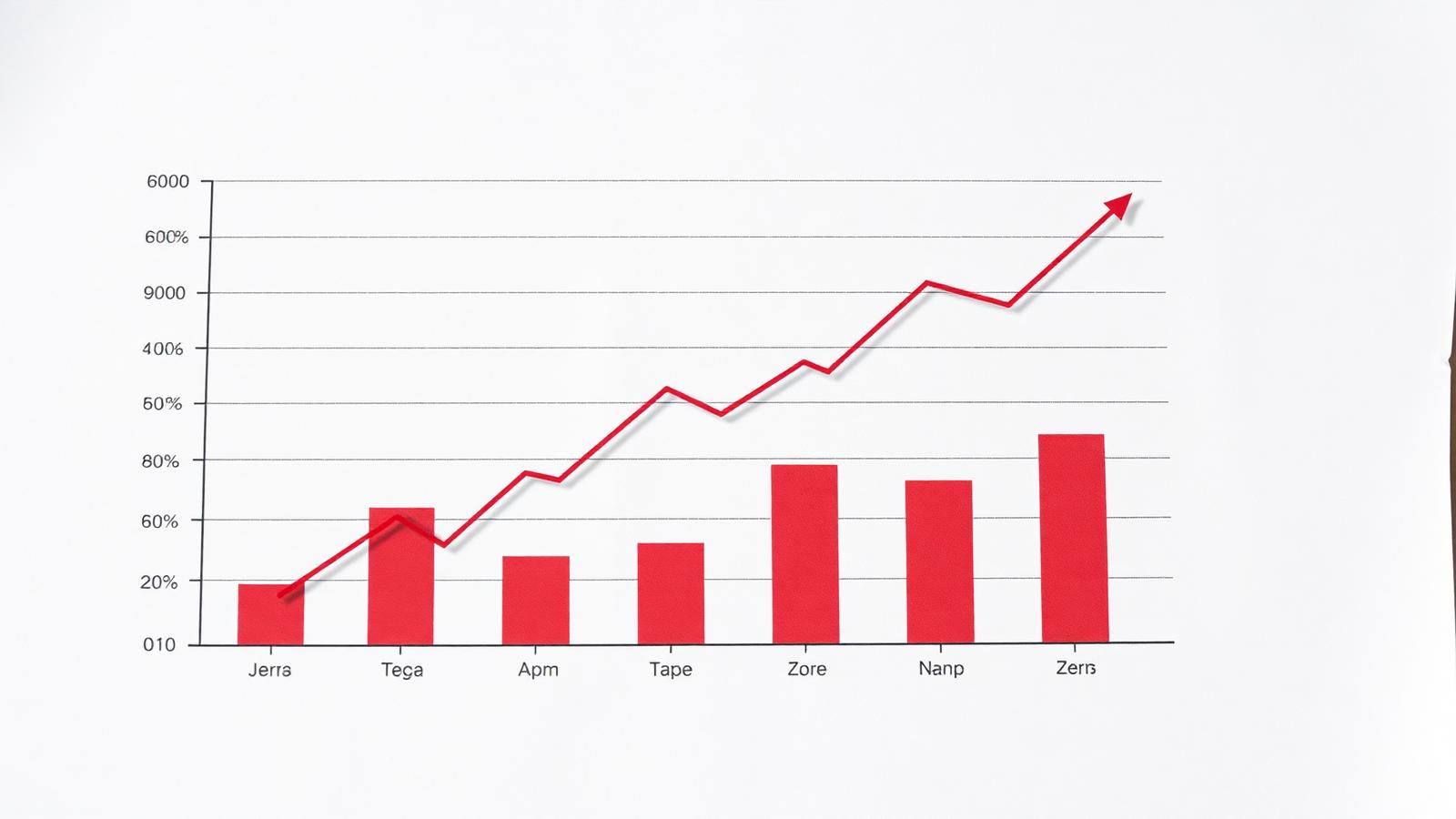
Image placement: within the "Latest Developments" section. ALT text: "Line and bar chart representing growth in sports broadcast revenue".
Key Facts
- Elite football's largest leagues generate billions of euros per season in combined revenue, with broadcasting the dominant line.
- Top players in congested calendars can face 60 to 70 competitive matches a season once club and international duty are combined.
- Sports medicine research consistently links compressed recovery windows to elevated soft-tissue injury risk.
- Women's sport has been the fastest-growing rights category in percentage terms, from a much smaller base.
Expert Perspectives
Sports economists point out that revenue concentration and competitive balance move in opposite directions. Where income is distributed unequally, outcomes become more predictable - and predictability eventually erodes the product's value.
Club executives emphasise cost pressure. Wage inflation and transfer fees have absorbed much of the new income, and many clubs remain loss-making despite record revenue.
Medical staff and player representatives are the most consistently critical voices. Their argument is straightforward: the calendar is set by commercial negotiation, while the physiological limit is fixed, and the two are now in open conflict.
Real-World Impact
On fans
Costs have risen and access has fragmented. Kick-off times increasingly reflect overseas broadcast markets rather than local attendance. Supporter organisations have become notably more politically active as a result.
On smaller clubs
Solidarity payments and transfer income sustain the lower tiers. Where the elite consolidates revenue, the pyramid beneath it becomes financially fragile.
On athletes
More matches, less recovery, longer travel. Injury patterns and career length are directly affected, and player influence over scheduling remains limited.
On host cities
Major events bring infrastructure investment and short-term spending, but the academic literature on long-run economic benefit is consistently sceptical. Governance and labour standards for construction have become central to bidding debates - a theme connected to our coverage of global diplomacy.
Key Takeaways
- Elite sport now functions as an institutional asset class.
- Broadcast distribution rules, not talent, largely determine competitive balance.
- Streaming has raised the total cost of following sport for most fans.
- Fixture congestion is a genuine player-welfare dispute, not a public relations one.
- Women's sport is the fastest-growing rights segment and is attracting serious capital.
Frequently Asked Questions
Why do kick-off times keep changing? Because overseas broadcast audiences are worth more than incremental local attendance in most rights deals.
Is multi-club ownership allowed? Generally yes, with restrictions when related clubs qualify for the same competition. Rules vary by governing body and are being actively revised.
Are clubs actually profitable? Many are not. Record revenue has been matched by record wage and transfer costs, so operating losses remain common even at large clubs.
Will fans ever pay less? Only if rights consolidate again onto fewer platforms, or if direct-to-consumer models undercut intermediaries. Neither is guaranteed.
Conclusion and Outlook
Sport's commercial expansion has raised quality, reach and visibility - and simultaneously raised costs, concentrated power and pushed athletes toward physical limits. The tension between those outcomes is now the central governance question in the industry.
Watch three things: the next major rights cycles, regulatory decisions on multi-club ownership, and whether player unions win enforceable limits on match load.
Continue with our Sports coverage and our Business & Economy section.
Sources and further reading: Deloitte Sports Business Group, Reuters sports coverage.
Are you paying more to watch less? Tell us in the comments and share this article.