Election campaigns are usually described in the language of ideology: left and right, reform and continuity, openness and control. In practice, a far blunter variable has come to dominate outcomes across democracies - whether voters believe their standard of living has fallen.
That single perception now travels further than almost any manifesto commitment.
Why This Matters Right Now
An extraordinary share of the world's population has voted or will vote within a short window, and the campaigns share a common centre of gravity. Housing, energy, food and childcare costs appear at or near the top of voter priority surveys in country after country, frequently displacing security, immigration and health.
The result is a politics of grievance about prices rather than a contest of visions - and it produces outcomes that confound traditional models.
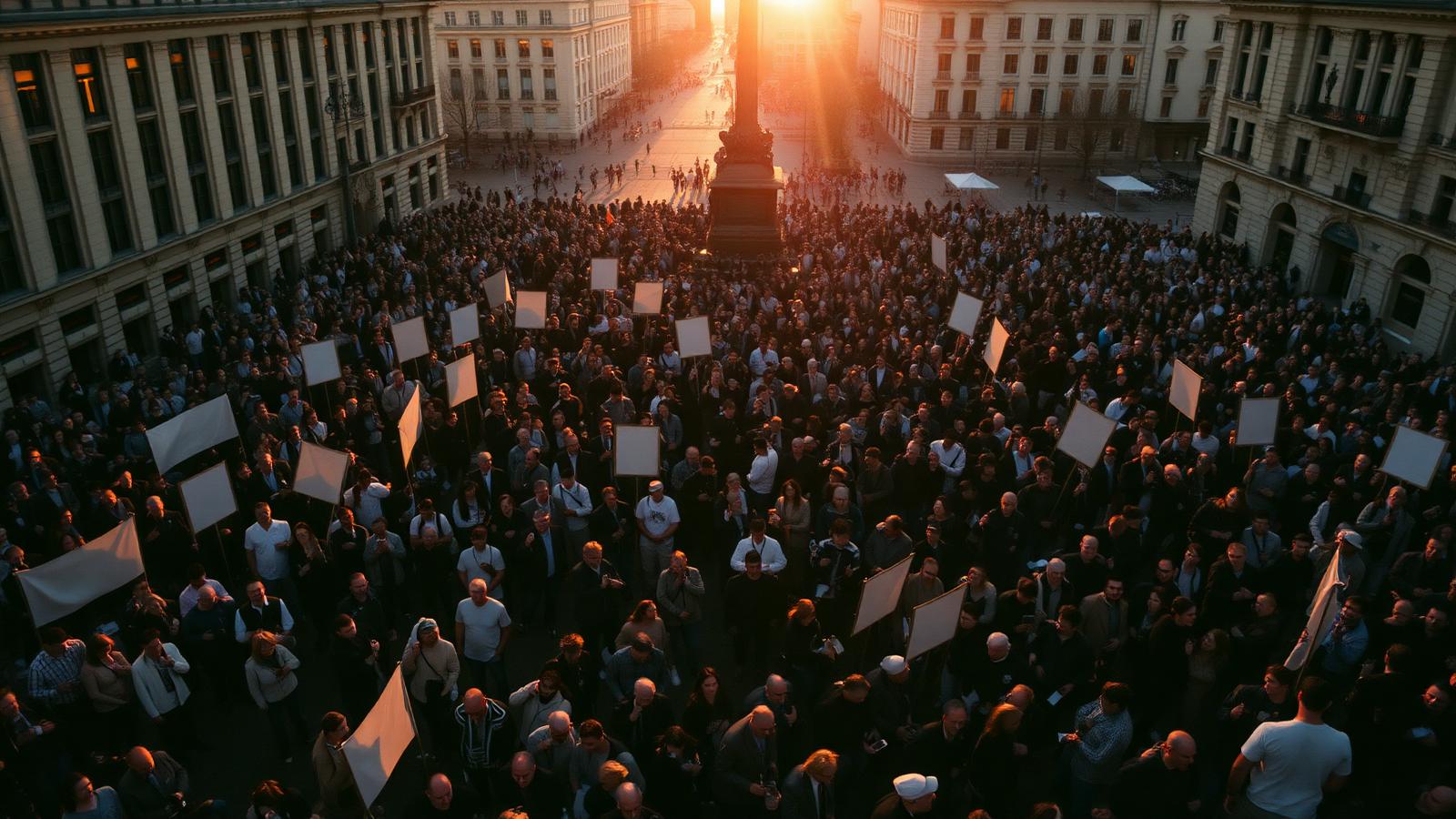
Image placement: after the introduction. ALT text: "Large crowd in a city square at sunset holding blank protest banners".
Background: The Sequence That Created This
Four events stacked in under five years.
- Pandemic support expanded household savings and public debt simultaneously.
- Supply chain disruption collided with reopening demand, pushing goods prices sharply higher.
- An energy shock followed, raising the cost of heating, transport and food production together.
- Rapid interest rate rises brought headline inflation down but transmitted the pain into mortgages and rents.
Critically, the final stage is the one voters feel most acutely. Falling inflation means prices are rising more slowly - not that they have returned to earlier levels. The gap between improving macroeconomic statistics and unchanged household experience is the political fault line of this cycle.
The Latest Developments
Incumbents are losing regardless of ideology
Governing parties across the political spectrum have lost vote share in this cycle. The common factor is not policy content but incumbency during a period of falling real disposable income.
Housing has become the defining generational issue
In high-income economies, the ratio of house prices to earnings sits near record levels in many cities. Younger voters who expected to buy have not been able to, and their voting behaviour has become markedly more volatile.
Fragmentation is accelerating
Two-party dominance is eroding. Insurgent parties, single-issue movements and independents have gained ground, producing more coalition governments and shorter policy horizons.
Trust is the scarce resource
Confidence in institutions to deliver material improvement has fallen in most long-running survey series. Low trust rewards disruption over competence and makes electorates harder to hold.
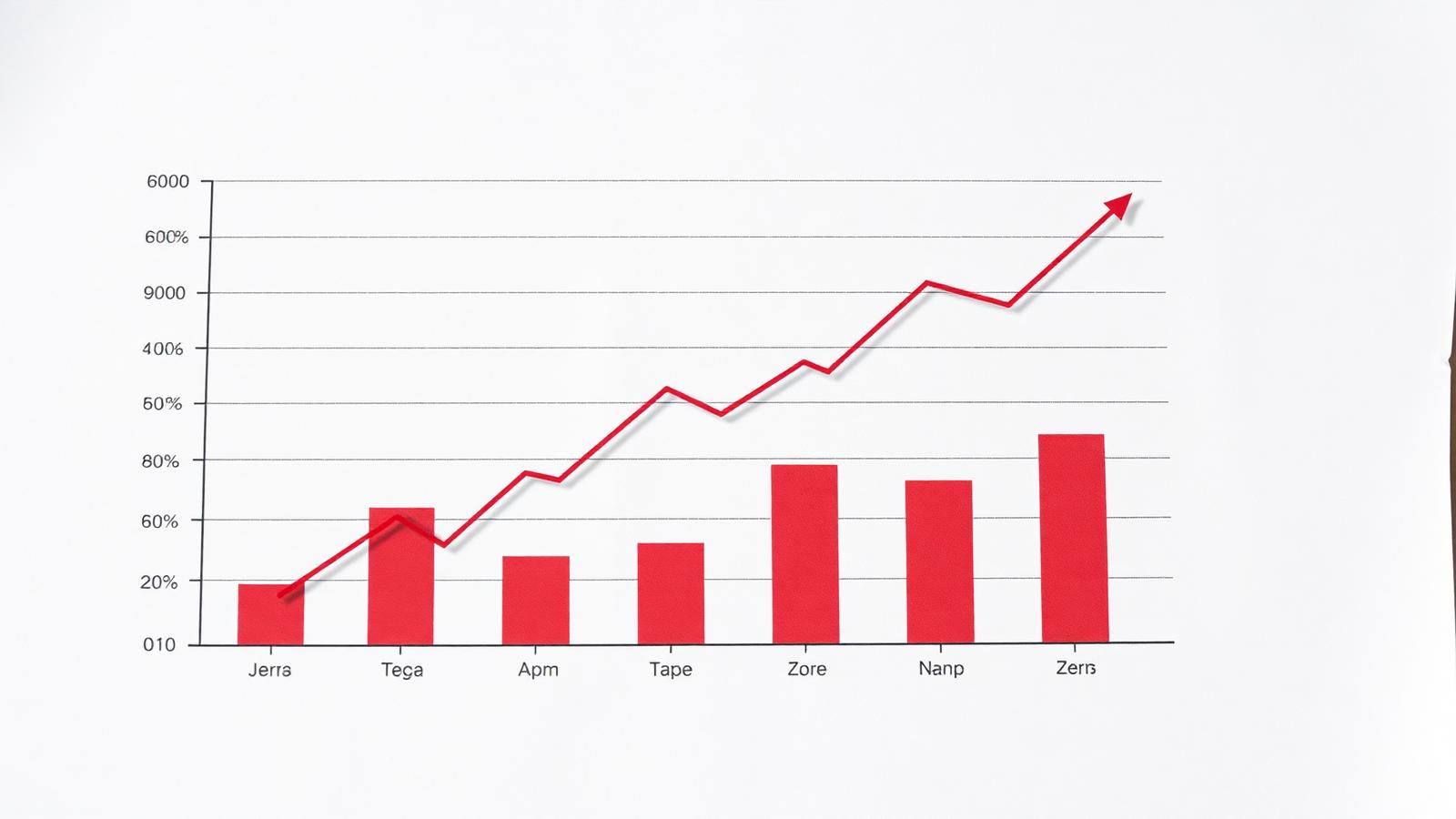
Image placement: within the "Latest Developments" section. ALT text: "Red bar and line chart illustrating rising household costs against flat wages".
Key Facts and Data
- Real wages in several major economies only recovered to pre-shock levels years after the initial inflation spike.
- Housing costs consume more than 30 per cent of income for a large minority of renters in major cities, the conventional threshold for housing stress.
- Voter priority surveys consistently place cost of living first, often by a wide margin over the second-placed issue.
- Turnout has become more volatile, with larger swings between cycles than in the 2000s.
Expert Perspectives
Political scientists describe this as retrospective economic voting: electorates judge governments on recent lived experience rather than forecasts. On this reading, the decisive input is the trajectory of real income in the twelve months before polling day.
Economists add a measurement caveat. Aggregate statistics such as GDP per capita can mask sharp divergence between asset owners and renters, or between regions. Voters respond to their own position, not the national average.
Communications researchers highlight a third factor: the visibility of prices. Rent, fuel and grocery costs are observed weekly, while wage growth arrives quietly and slowly. Salient losses outweigh unnoticed gains.
Real-World Impact
On policy design
Governments have shifted toward measures with immediate visibility - energy rebates, transport subsidies, capped essential prices - even when economists prefer targeted transfers. Visibility has become a policy objective in itself.
On fiscal sustainability
Broad subsidies are expensive and difficult to withdraw. Several countries have accumulated significant structural deficits from support schemes originally described as temporary.
On central banks
Monetary authorities have been drawn into political argument in a way not seen for decades, with the independence question resurfacing in multiple jurisdictions.
On social cohesion
Perceived unfairness in who absorbed the shock - and who profited from it - has fed distrust that outlasts the price rises themselves. This interacts directly with the trade pressures described in our report on tariffs and household costs.
Key Takeaways
- Real disposable income is now the strongest single predictor of incumbent performance.
- Disinflation is not the same as relief; voters respond to price levels, not rates of change.
- Housing has become the central generational divide in high-income democracies.
- Visible, immediate support is politically rewarded over economically efficient support.
- Fragmentation and volatility are likely to persist beyond this cycle.
Frequently Asked Questions
Why do voters feel poor when inflation has fallen? Because lower inflation means slower price increases, not lower prices. Unless wages catch up to the cumulative rise, the household position has not recovered.
Do governments control the cost of living? Only partly. Energy prices, global food markets and interest rates are largely external. Housing supply, taxation, transport and childcare policy are genuinely domestic levers.
Is political fragmentation permanent? Structural drivers - low institutional trust, weaker party identification, fragmented media - suggest it will outlast the current inflation episode.
Conclusion and Outlook
The cost-of-living election is not a temporary phase. Until real incomes recover convincingly and housing supply improves, material grievance will continue to dominate campaigns, and incumbency will remain a liability.
Three indicators to watch: real wage growth relative to 2019, rent-to-income ratios in large cities, and the share of voters naming costs as their top issue.
Continue with our Politics coverage and our Business & Economy section.
Sources and further reading: OECD, International Monetary Fund.
What is squeezing your household most? Share your view in the comments.